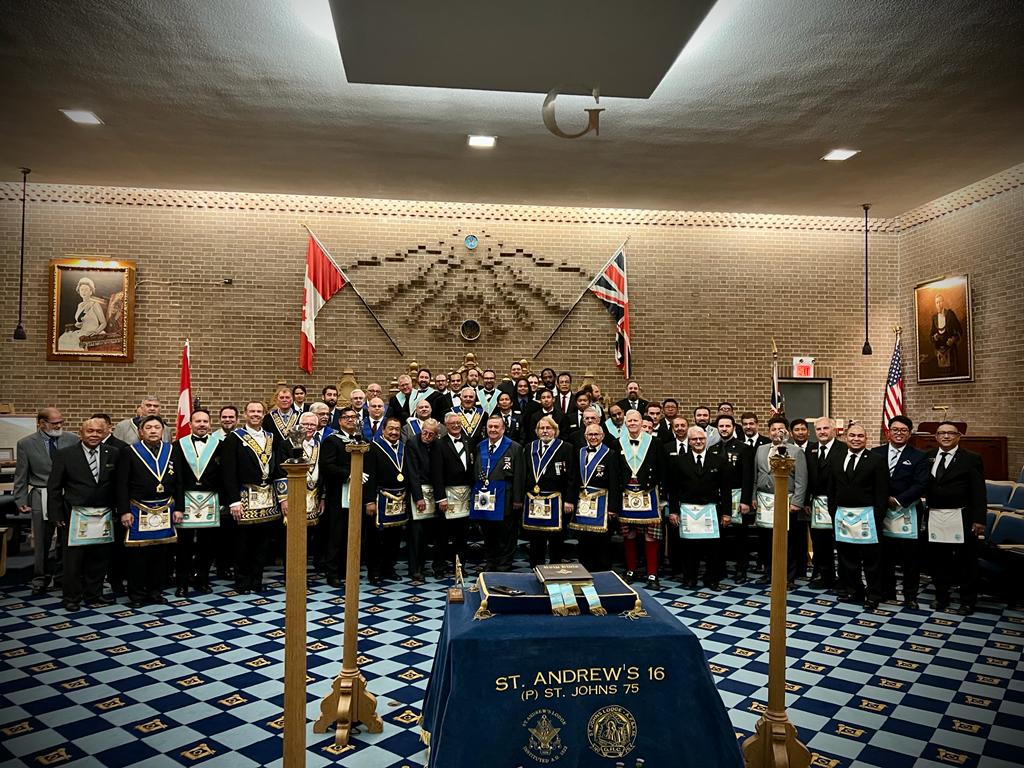
“There is no lodge in the world that has left its impress upon affairs and the community with more beneficial effect for the uplifting of man than St. Andrew’s Lodge, nor was there any other lodge within whose ranks there were more able and distinguished men, whose activities and whose benevolence were felt from ocean to ocean.”
– Most Worshipful Brother W.D. McPherson K.C, Grand Master of the Grand Lodge of Canada in the Province of Ontario (October 14, 1913)
It has been argued that regulated Freemasonry in Scotland is older than in any other part of the British Isles. This is based on some of the oldest records held by the Grand Lodge of Scotland that details the meeting minutes of Lodge of Edinburgh (Mary’s Chapel) No.1 dated July 1599.
There is some speculation that lodges existed well before that with an early continental history referencing a 16th-century source that by 1535, there were two Scottish masonic lodges recorded in France, one in Paris and the other in Lyon.
Between 1646 – 1717 evidence exists of men being made Masons in non-operative lodges, specifically Elias Ashmole who recorded his initiation on October 16th, 1646; “I was made a freemason at Warrington in Lancashire with Colonel Henry Mainwaring of Karincham in Cheshire. The names of those that were then at the Lodge, Mr. Richard Penket Worden, Mr. James Collier, Mr. Richard Sankey, Henry Littler, John Ellam, Richard Ellam and Hugh Brewer.” Although this is the first written evidence of speculative Masonic initiation, the men mentioned would have had to be Masons in order to conduct the ceremony suggesting speculative Freemasonry existed before 1646.
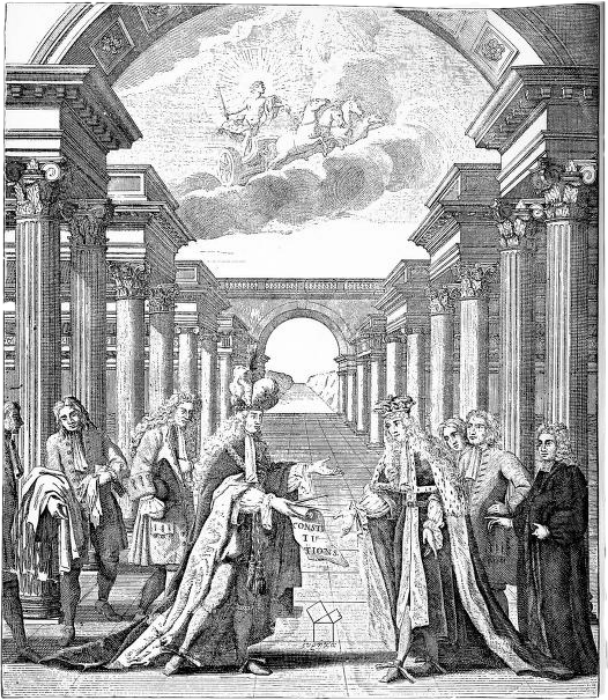
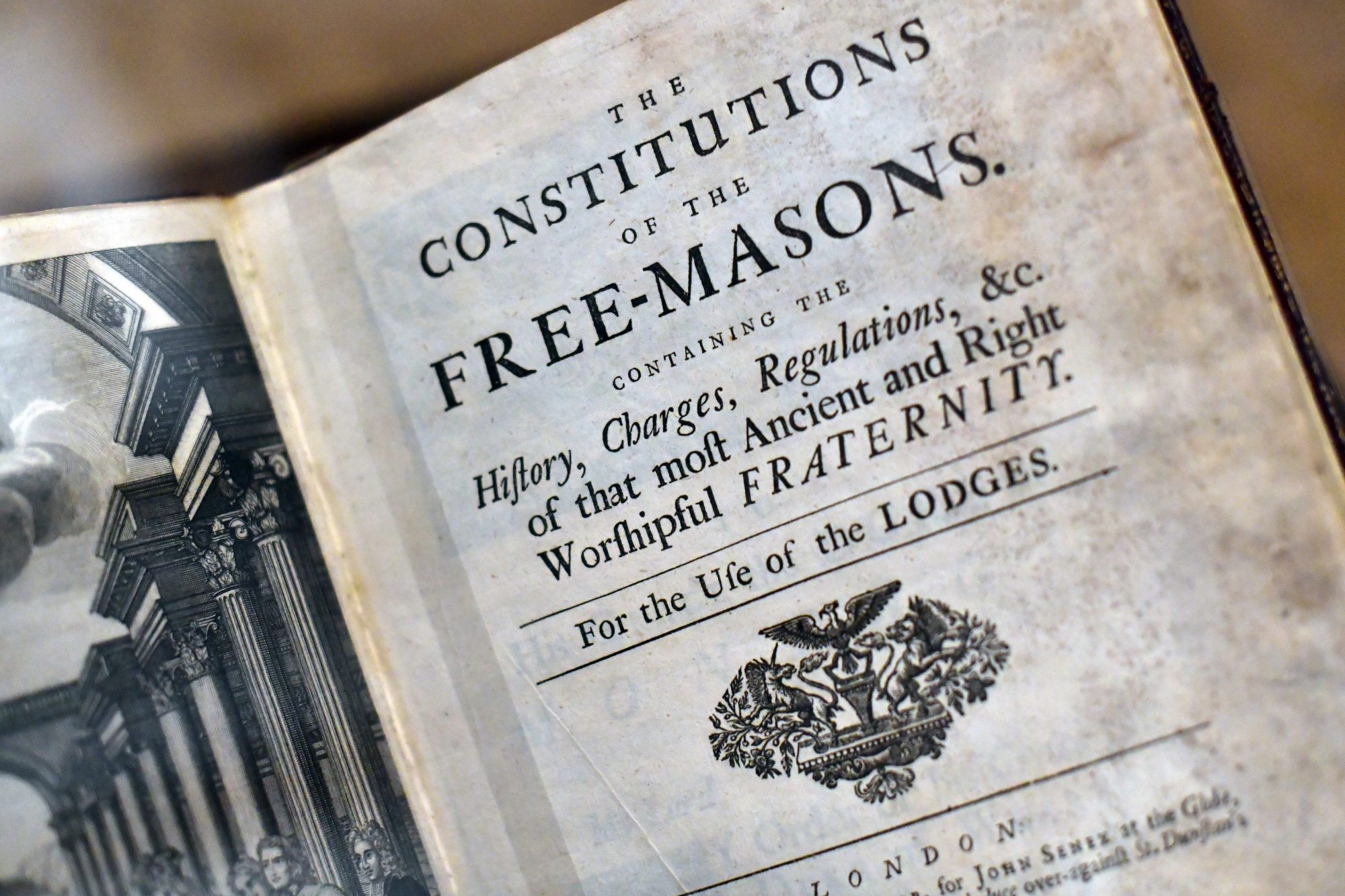
June 24th, 1717, four lodges in London England came together at the now infamous Goose and Gridiron Tavern in St. Paul’s Churchyard. Working together to increase their membership, the lodges formed the first Grand Lodge in the world, aptly named the Grand Lodge of London and Westminster. By 1723 they had published their first rule book titled “The Book of Constitutions of Masonry” extending its authority outside of London.
In 1725 the Grand Lodge of Ireland was established and in 1736 Scotland formed their very own Grand Lodge. The three Grand Lodges of London, Ireland, and Scotland began to take Masonry overseas with growth rates similar to the 18th and 19th-century development of the British Isles.
The Grand Lodge of London and Westminster would be challenged in 1751 when six unaffiliated lodges would come together to form a rival Grand Lodge named The Grand Lodge of the Antients. Existing side by side for 63 years neither would recognize the legitimacy of one another until 1813 when they united forming the United Grand Lodge of England after 4 long years of negotiation.
Given the distance between Canada and England, as well as the modes of communication employed at that time, dissatisfaction festered among the members of The Provincial Grand Lodge of Upper Canada with their Mother Lodge in England. Support in the form of forwarded warrants, certificates, and other tasks necessary for lodge management was infrequent and slow. On November 10th, 1855 the Grand Lodge of Canada was formed.
In 1855, the Colony of Canada consisted of what is now the provinces of Ontario and Quebec. When the Grand Lodge of Upper Canada and Lower Canada merged in 1859, the newly amalgamated Grand Lodge included nearly all of the lodges in Eastern and Western Canada.
1869 saw the formation of the Grand Lodge of Quebec and within five short years the Grand Lodge of Canada withdrew from Quebec.
At that time Canada had two Provincial Grand Lodges; Upper and Lower with William Jarvis as the Provincial Grand Master for Upper Canada and Prince Edward as the Provincial Grand Master for Lower Canada. However, unlike Prince Edward, William Jarvis was not endowed by the United Grand Lodge of England with the power to grant warrants for new lodges.
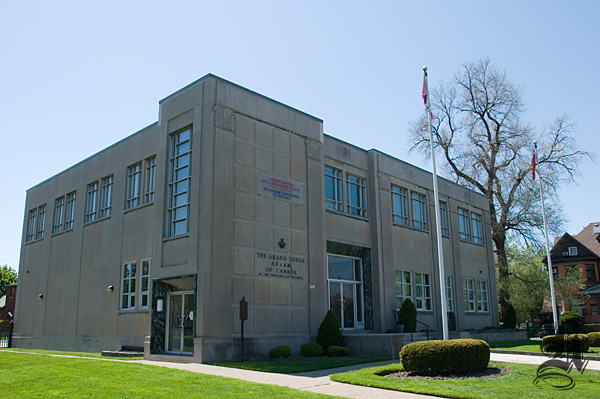
By 1875, six other Grand Lodges in Canada existed; Nova Scotia, New Brunswick, British Colombia, Quebec, Prince Edward Island, and Manitoba. This led to protests suggesting that Ontario’s Grand Lodge was calling itself the Grand Lodge of Canada and in 1855 a committee recommend the name be changed to The Grand Lodge, A.F. & A.M, of Canada in the Province of Ontario which was adopted in 1887. Being the only Grand Lodge in Canada at the time of its formation it was permitted to keep “Of Canada” in their title.
Mayor of Halifax (1853-1853), President of Legislative Council of Nova Scotia (1867-1873), Founder of Alexander Keith’s Brewery
Premier of Saskatchewan (1944-1961), Leader of New Democratic Party (1961-1971), father of Universal Healthcare, voted as The Greatest Canadian
Founder of Maclean’s magazine and the Financial Post
British Army general, Founder of York (Toronto), Introduced English common law, First Lieutenant Governor of Upper Canada (1791-1796)
Canadian Hockey Player, 4 x Stanley Cup Winner (Toronto Maple Leafs), Hockey Hall of Fame 1977, Named as one of the “100 Greatest NHL Players” in history; Co-Founder of Tim Hortons fast food chain.
Newspaper Proprietor, namesake for Roy Thomson Hall, Appointed Knight Grand Cross of the Order of the British Empire
Governor General of Canada (1946-1952)
Inventor of Basketball
Mayor of Toronto (1955-1962)
Inspector-General of the Canadian Army and vice-chancellor of McGill University
Businessman, Founder of Molson Brewery
Engineer, Inventor, Founding member of the Royal Society of Canada, Founder of the Canadian Institute, Inventor of Worldwide Time Zones
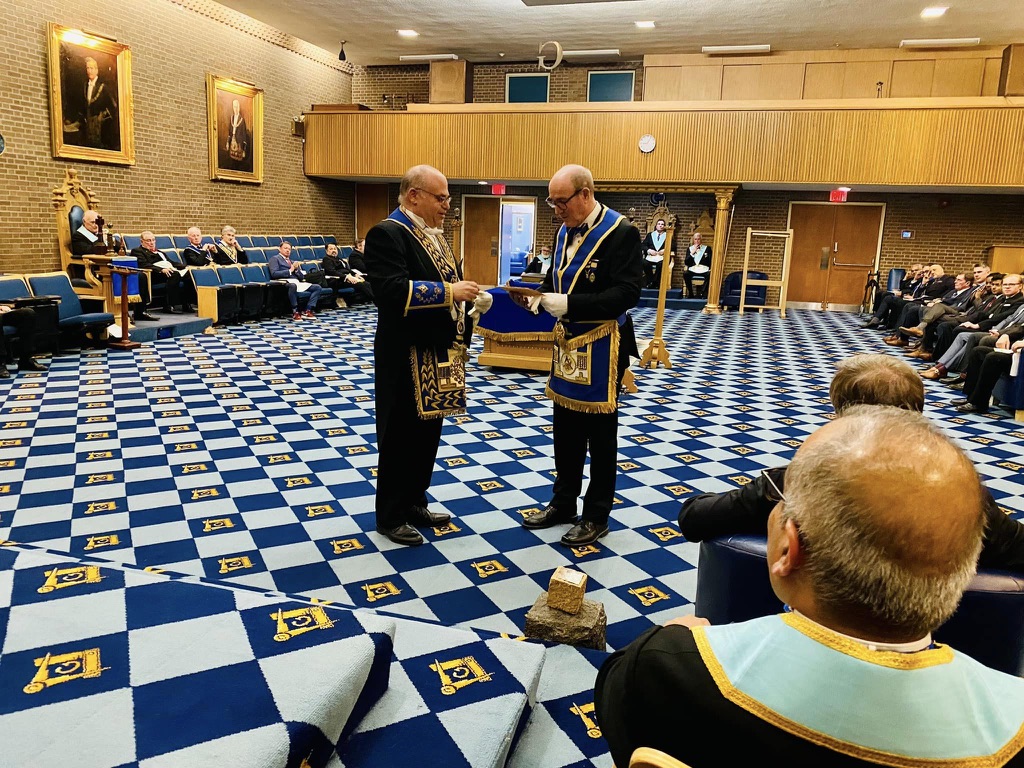
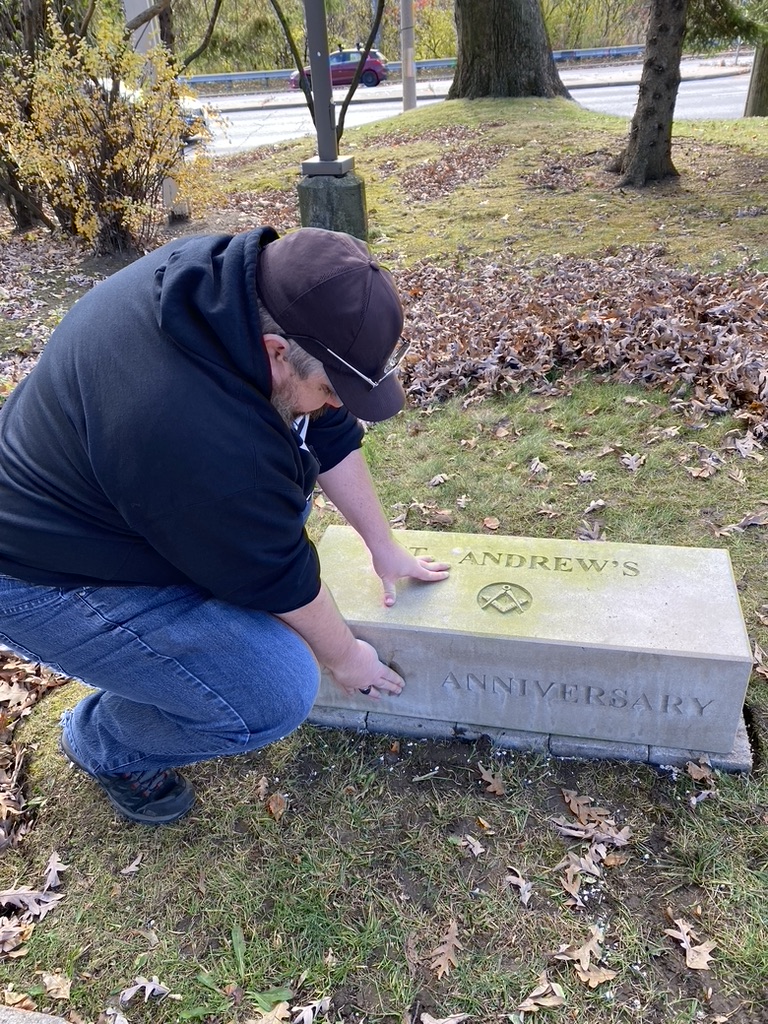
St. Andrew’s Lodge #16 G.R.C. was instituted in the early fall of 1822 and chartered in December of the same year in the town of York (Toronto), Upper Canada.
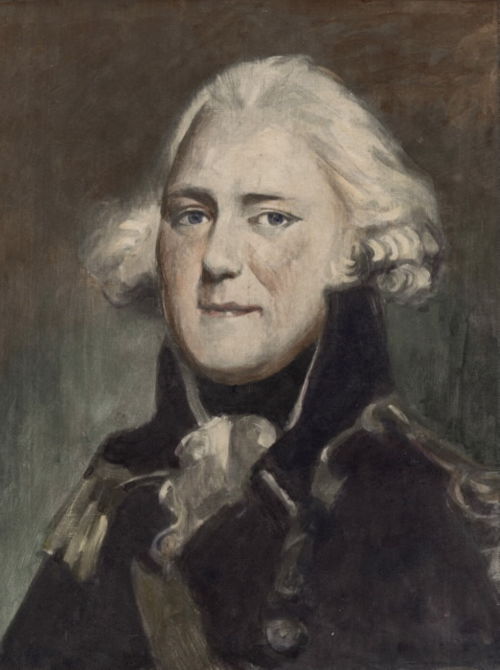
In the early autumn of 1822, at the invitation of Sir William Campbell, a group of Masons met in his home to plan the formation of the new St. Andrew’s Lodge No. 1. The United Grand Lodge of England had conferred the name of St. Andrew’s Lodge on the Register of the Provincial Grand Lodge of Upper Canada.
As the first Master of St. Andrew’s Lodge, Sir William Campbell occupied the Chair of King Solomon from 1822 to 1824 laying the foundation for one of Canada’s most historic lodges.
1. Sir William Campbell – Chief Justice of the Supreme Court of Upper Canada
2. Thomas Ridout Sr. – Surveyor General of Upper Canada
3. John Henry Dunn – Receiver General for Upper Canada
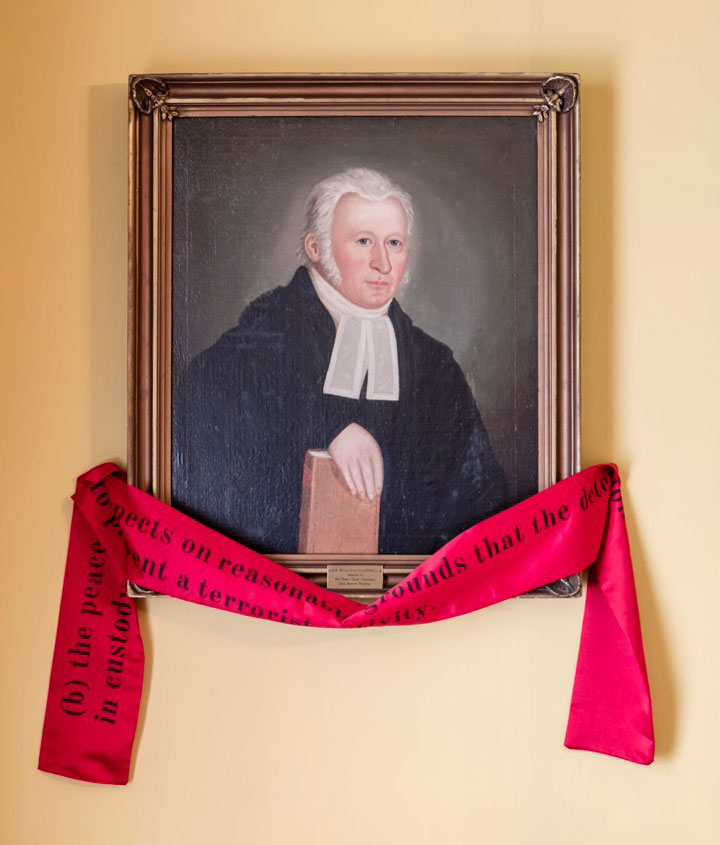
4. Thomas FitzGerald – Barrister at Law
5. Major George Hillier – British Army Officer, Civil Secretary to Lieutenant Governor of Upper Canada
6. Lieut-Colonel Nathaniel Coffin – Adjutant General of the Upper Canadian Militia, fought in War of 1812
7. Colonel John Beikie – Sheriff of York; Defended York against American invaders in the War of 1812
8. Colonel Stephen Jarvis – Founding Director of the York Association, a banking house which preceded the Bank of Upper Canada; Officer of the Loyalist South Carolina Dragoons in the U.S. Revolutionary War
9. Colonel James FitzGibbon – Veteran of the Napoleonic Wars; Served in the War of 1812
10. Daniel Brooke – Retired officer of the British Army.
“There is no lodge in the world that has left its impress upon affairs and the community with more beneficial effect for the uplifting of man than St. Andrew’s Lodge, nor was there any other lodge within whose ranks there were more able and distinguished men, whose activities and whose benevolence were felt from ocean to ocean.”
– Most Worshipful Brother W.D. McPherson K.C, Grand Master of the Grand Lodge of Canada in the Province of Ontario (October 14, 1913)
© 2023 St. Andrew’s No. 16 All Rights Reserved. | Design & Build by M-Theory